
Health Hub

current health topics
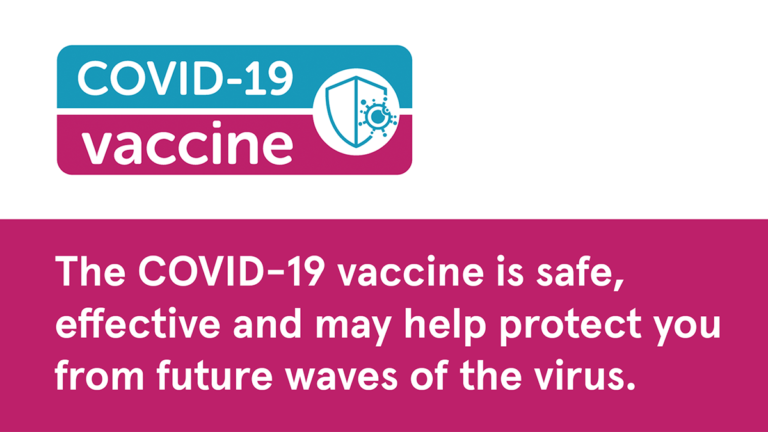
COVID 19- Latest information and updates
Your safety is of the utmost importance to us. And while we’re so excited to welcome you back, to make sure your participation with us is as safe as possible, we have new hygiene measures in place in line with coronavirus regulations. Your cooperation, along with the safety measures and all the efforts from our coaches, will help keep our classes safer.
The information below details the safety procedures we have put in place, what you can do to prepare for your class, and what to expect while you are there:
- All participants must notify us, as a matter of urgency, when showing any symptoms of Covid-19 or been in contact with any person diagnosed with Covid-19.
- During our classes, our coaches will have PPE and will ensure that a two-meter distance is kept at all times, respecting social distancing.
- When you attend a WISPA class, please do not bring any other friends, family members or children, as they will not be permitted into the venue.
- Due to the current situation, attendance will be capped and we ask that you only attend if you have registered and received confirmation from us.
- Due to cross contamination, use of equipment is limited.
- To minimise the risk of transmission of COVID-19, you will be requested to use hand sanitiser, which will be provided in all classes.
The pandemic has meant that many operations and procedures have been postponed. Some people are waiting to see a GP and many people are waiting longer for surgery and other treatments. This can be an anxious time for many, that is why we are pleased to announce we have received a grant to deliver our ‘Move To Improve’ Project with Versus Arthritis which aims to provide increased opportunities for women who suffer from arthritis, mobility issues and other on going pain conditions. This project will kick off in August 2022 and will run for eight months across Belfast.
The aim is to support women who suffer from these conditions and help them manage their pain through exercise and movement and help improve their mobility, flexibility, pain and encourage them to lead a healthier lifestyle. We will also promote and educate the women on the benefits of physical activity and how exercise can help reduce and prevent pain associated with these illnesses.
If you would like more information on Arthritis and what you can do at home to help ease your pain, please visit the website: https://www.versusarthritis.org/

Why not take the first steps…
Most of us know when we are mentally and physically well, but sometimes we need a little extra support to keep well.
There are five simple actions to help maintain and improve your emotional wellbeing in everyday life. Try to build these in to your daily life – think of them as your ‘five a day’ for emotional wellbeing.
These are:
- Give – volunteer your time. Thank someone. Smile.
- Be active – any amount of physical activity is good for you.
- Connect – with the people around you, friends or colleagues.
- Keep learning – don’t be afraid to try something new.
- Take notice – be aware of the world around you.
We are encouraging everyone to Take 5 steps to wellbeing every day!
Public Health INFO
NI Alcohol Awareness Week: https://mailchi.mp/f3b5143d4c9e/help-us-promote-ni-alcohol-awareness-week-2021?e=107a09998f
Cancer screening:
www.cancerscreening.hscni.net
Be Cancer Aware:
www.becancerawareni.info
Minding your head:
www.mindingyourhead.info
Choose to live better:
www.choosetolivebetter.com
Sexual Health NI:
www.sexualhealthni.info
Stop Smoking NI:
www.stopsmokingni.info
Care in the sun:
www.careinthesun.org
Anxiety Disorders:
www.nidirect.gov.uk/conditions/anxiety-adults
Breast Cancer:
www.nidirect.gov.uk/conditions/breast-cancer-women
C.O.P.D.:
nichs.org.uk/information/conditions/chest-conditions
Heart Disease:
nichs.org.uk/information/conditions/heart-conditions
Eating Disorders:
www.nidirect.gov.uk/conditions/eating-disorders
Depression:
www.aware-ni.org/
Diabetes:
https://www.diabetes.org.uk/In_Your_Area/N_Ireland
Rheumatoid Arthritis:
www.nidirect.gov.uk/conditions/rheumatoid-arthritis
Fibromyalgia:
www.nidirect.gov.uk/conditions/fibromyalgia
Endometriosis:
www.nidirect.gov.uk/conditions/endometriosis
Stroke:
nichs.org.uk/information/conditions/stroke-conditions
Support Resources
Domestic Violence/Abuse:
www.womensaidni.org/domestic-violence/what-is-domestic-violence/
Drug and Alcohol Abuse:
www.nidirect.gov.uk/articles/getting-help-drug-or-alcohol-problems
Sexual Violence & Abuse:
www.nidirect.gov.uk/articles/sexual-violence-and-abuse
Sexual Health:
www.sexualhealthni.info/
LGBT Support:
lgbtni.org
Organ Donation Northern Ireland:
www.organdonationni.info
Space to breathe:
www.spacetobreathe.org.uk
Breastfed babies:
www.breastfedbabies.org
Transgender NI:
www.transgenderni.org
Disability Sport NI:
www.dsni.co.uk
Lifeline:
www.lifelinehelpline.info
Cruse Bereavement Care:
www.cruse.org.uk/get-help/local-services/northern-ireland/northern-ireland
Debt Advice NI:
www.adviceni.net/advice/debt
Fertility Counselling Services:
www.belfasttrust.hscni.net/services/rfc/care-and-support/fertility-counselling-service/
Ethnic Minority Support:
www.embraceni.org
Simon Community:
www.simoncommunity.org
Engage with Age:
www.engagewithage.org.uk